Ben Rubin is Executive Director and Co-Founder of the Carbon Business Council, a global coalition of more than 100 organizations united to scale carbon removal and drive economic growth. Views are the author’s own.
The artificial intelligence boom and ongoing geopolitical instability has created an energy crunch. Policymakers, utilities, investors and technology companies are being challenged to power a new generation of data centers while keeping the grid — and electricity prices — stable. But AI isn't alone in its need for energy. Climate solutions like direct air capture, clean hydrogen production, and electric vehicle charging all run on electricity too.
At a moment when the power sector is under pressure, it risks missing a significant opportunity: data centers and climate technology, designed well, can power each other. Getting it wrong could mean leaving significant economic and climate value on the table.
As load forecasts climb and grid planners weigh what new electric power generation to build, the decisions made now will shape energy infrastructure for decades. Growing demand is typically framed as a problem, but it can also be a catalyst to scale climate technologies if we build the right systems around it.
There is a major opportunity to design renewable infrastructure that not only sustains rising demand and AI infrastructure, but also supports the climate technologies needed to run those operations more sustainably.
There are three principles worth getting right during the buildout.
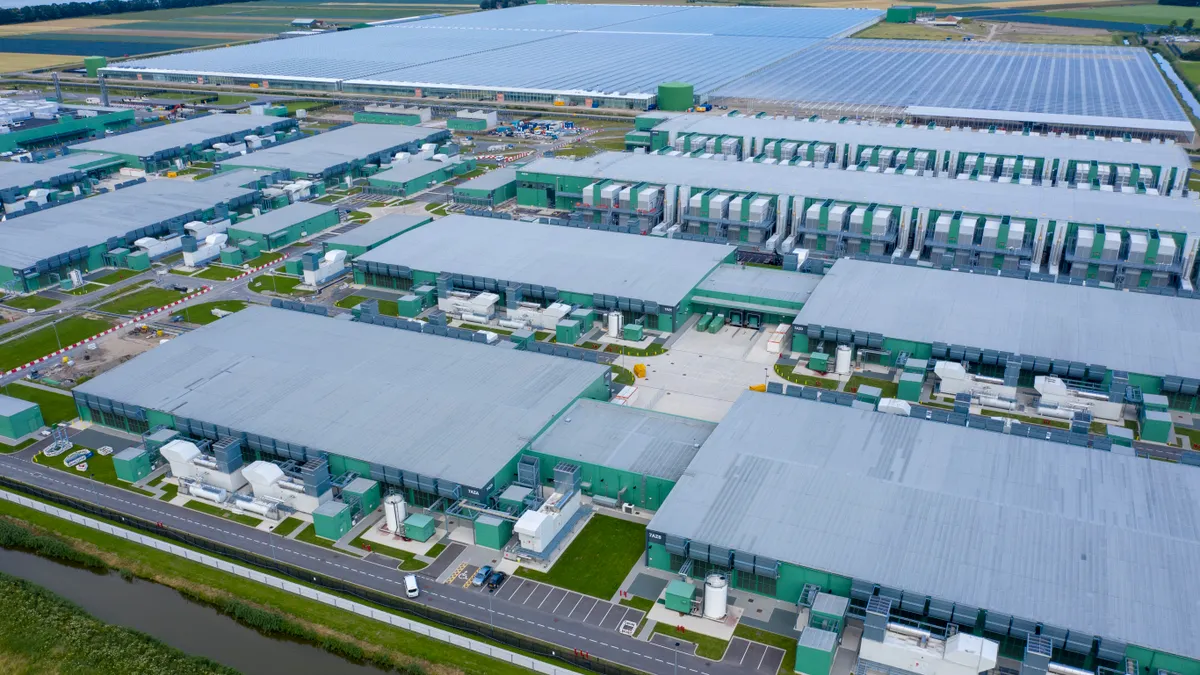
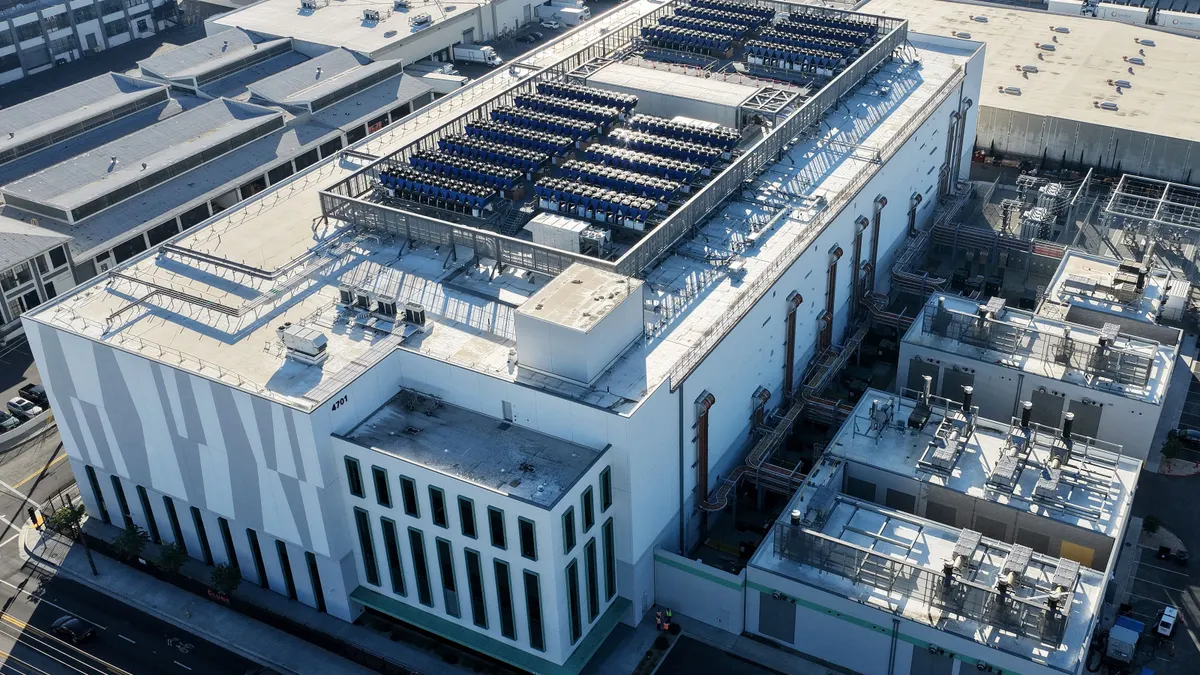
Co-locate projects to eliminate waste. Data centers generate enormous heat, most of which is vented into the atmosphere and wasted in some data projects. Climate tech facilities that require a steady heat source can be sited alongside data centers to capture what would otherwise be wasted.
For example, this heat could be used to power the filters at direct air capture plants, which remove and store carbon dioxide from ambient air. Co-location also creates opportunities to share grid connections, reduce permitting timelines and improve the economics of both facilities.
Build energy parks, not silos. Another promising model is the integrated energy park: a single site where clean power generation, battery storage and large power users are built together. Rather than developing renewables in one place and industrial facilities in another, energy parks can bring them online simultaneously, reduce transmission costs and give developers the long-term power agreements they need to finance construction.
Geothermal energy is a particularly strong anchor for these sites, offering firm, affordable, around-the-clock clean power for hydrogen hubs and direct air capture facilities.
Run projects when the grid has surplus energy available. In some regions, renewable energy generation periodically outpaces demand. This results in untapped, or wasted energy and, in turn, worsened project economics. Climate tech facilities can be designed to draw upon excess power during these windows. Over time, this creates a virtuous cycle where more renewable buildout becomes financially viable, which creates more surplus, and in turn, enables more climate tech deployment at lower cost.
These aren't theoretical concepts. They are design choices that project developers and policymakers can begin making now.
Some of these principles are already in action. Climate tech companies are becoming increasingly integrated with data center buildouts, from geothermal power to low-carbon cement. In an example of co-location, Microsoft is pioneering the use of waste heat to power direct air capture within its data center operations through a system called DACinDC that can use up to 85% of the waste heat for energy reuse.
The decisions shaping grid investment today will determine what the energy system looks like for the next several decades. Done right, rising demand doesn't have to compete with climate progress. It can improve project economics, accelerate deployment timelines and help finance the next generation of clean infrastructure.