Dive Brief:
- A cohort of eight Democratic state and local finance officials sent a letter to Fitch Ratings, Moody’s Corporation and S&P Global Ratings last month urging the credit rating agencies to maintain frameworks that are “independent, forward-looking and grounded in a comprehensive assessment of risk.”
- The May 20 letter, shared exclusively with ESG Dive, was designed to counterbalance an April probe from Republican state attorneys general into the agencies over whether downgraded ratings were based on ESG risk factors.
- “There's been an effort to undermine work that's been done over decades around environmental, social and governance issues, and the risk that they pose — whether that's to our investment portfolios or to the overall kind of creditworthiness of the issuers,” signatory and Connecticut State Treasurer Erick Russell said in an interview with ESG Dive Monday.
Dive Insight:
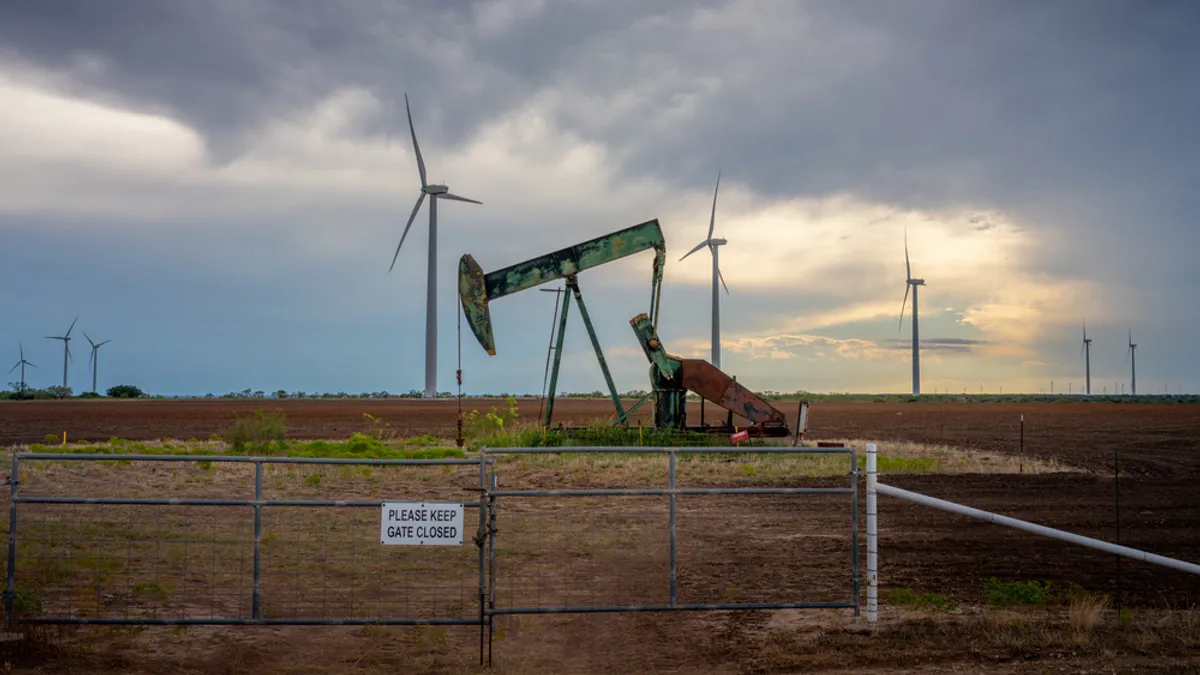
In launching their probe in April, Republican state AGs took issue with the agencies’ membership in the United Nations-backed Principles for Responsible Investment and argued that past credit downgrades of fossil fuel companies were based on assumptions that have not yet come to pass, including policy and fossil fuel use predictions. Russell characterized it as an effort to alter the way creditworthiness is calculated “because some states or industries feel like they are being negatively impacted.”
The May letter from Democratic finance officials said they were “concerned that recent arguments regarding credit rating practices mischaracterize the role of ratings and would narrow risk analysis in ways inconsistent with sound credit practice and the needs of investors and issuers.”
“Credit ratings are intended to assess the ability to meet financial obligations over time. That responsibility necessarily requires consideration of forward-looking factors, including changing market conditions, policy environments, and long-term structural trends, the letter said. “Limiting analysis to fully realized developments would diminish the usefulness of ratings as indicators of emerging risk.”
The May 20 letter was signed by Russell, Maryland Comptroller Brooke Lierman, Massachusetts State Treasurer Deborah Goldberg, New York City Comptroller Mark Levine, Minnesota State Auditor Julie Blaha, Rhode Island State Treasurer James Diossa, Colorado State Treasurer David Young and California State Controller Malia Cohen.
“We want to be forward-looking as long-term investors and as states, and really thinking about our outlook, not just in terms of what's right in front of us today, but where we're going to be 10, 15, 20 years down the road,” Russell said.
These are not the first dueling letters from state officials on either side of the aisle. Following President Donald Trump’s inauguration in January 2025, Republican state finance officials asked the Securities and Exchange Commission and Department of Labor to develop rules explicitly denouncing ESG, before Democratic state and local officials sent a letter rebutting those asks.
Opposing summer letters to U.S. financial institutions from Republican and Democratic state officials offering varied views of fiduciary duties were later framed by BlackRock, one recipient of those letters, as the “politicization of pension fund management.”
Russell said the Democratic officials “want institutions and entities to be able to function independently without pressure from a political party,” and expressed concern about how the politicization of pension fund management will affect how risk is evaluated across portfolios and financial institutions.
Connecticut’s state treasurer said that the pressure on ratings agencies and financial institutions “is ignoring very well established frameworks for evaluating risk and forward-looking positions.”
“Rating agencies and institutions should remain independent in their methodology for analyzing risk and opportunity and creditworthiness, and that is the core point of our letter,” Russell said. “There should not be pressure to change how rating agencies evaluate risk and creditworthiness because of pressure from states that feel like they are not benefiting.”